by Amineddoleh & Associates LLC | May 12, 2015 |
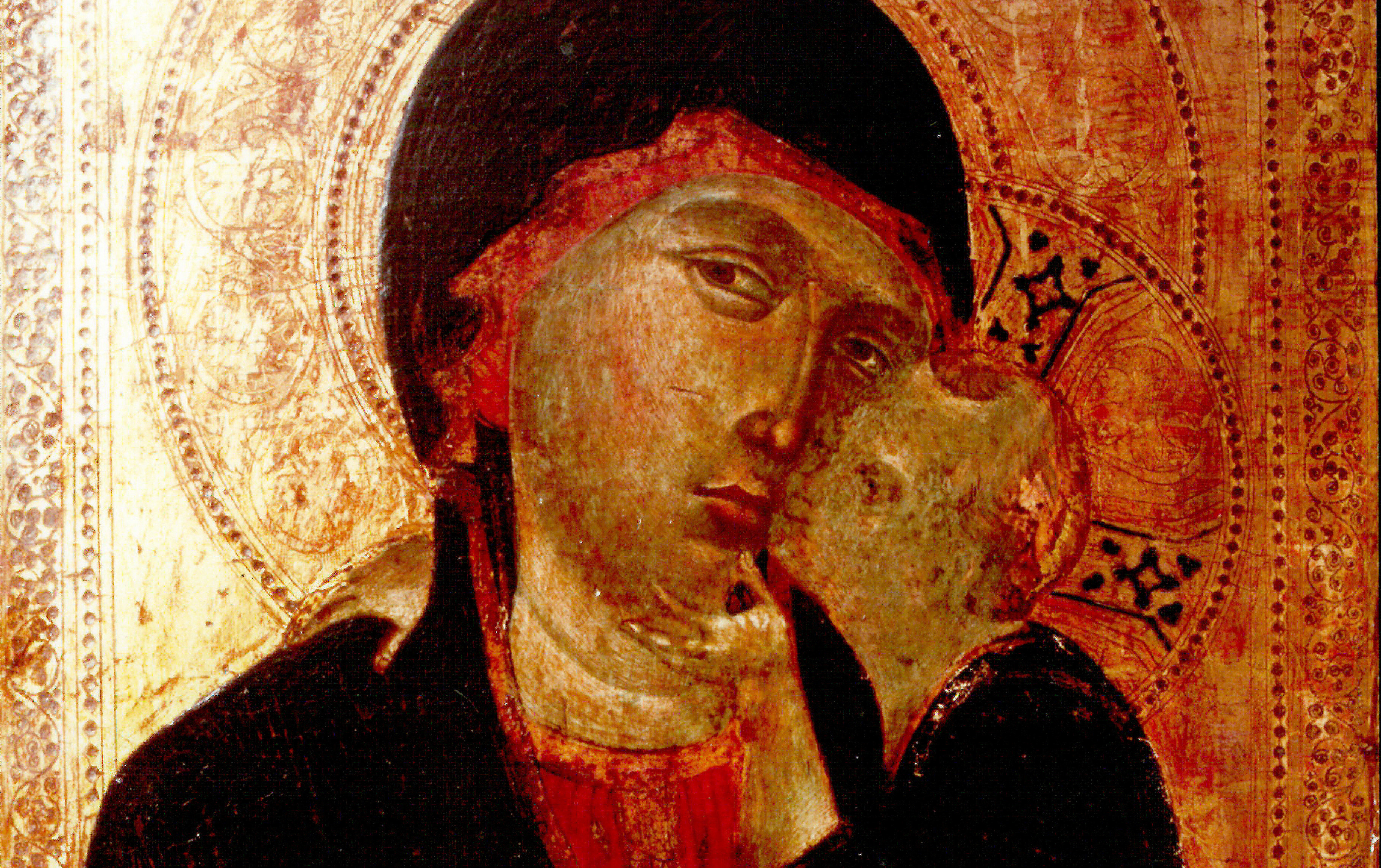
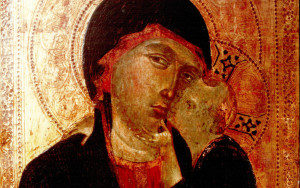 We are pleased to share this article and press release from Art Recovery International (ARI). ARI discovered the sale of a disputed painting, Madonna and Child, at Sotheby’s, notified law enforcement agencies, and the work was removed from the sale after the US District Attorney seized the work. Leila Amineddoleh was contacted by ARI to handle the asset forfeiture litigation while ARI worked to discover factual evidence about the art theft that occurred over 25 years ago.
Madonna and Child was jointly owned by a group of owners, but went missing 25 years ago. Amineddoleh worked with ARI to represent two of the owners (their interest totaled one-third of the value of the work). Our law firm is thrilled with the outcome of the case because we successfully represented our clients in litigation and recovering their entire share of the work.
The value of Madonna and Child is unclear because of the work’s attribution. The last time it was offered for sale it had an estimated value of $800,000. However there is speculation that the work could be by the hand of fourteenth-century Florentine master Duccio di Buoninsegna. If the work is indeed by him, then the value of the painting is in the tens of millions of dollars. As written by Cynthia Saltzman in Old Masters, New World, “When, in 2004, the Metropolitan [Museum of Art] acquired Madonna and Child by Duccio di Buoninsenga, painted around the year 1300, they paid some $45 million for a painting no larger than a sheet of typing paper…It is one of only twelve Duccios in existence and, unless another is discovered, the last that will ever be sold.”
The owners plan to place the work for sale within the year.
by Amineddoleh & Associates LLC | Apr 29, 2015 |
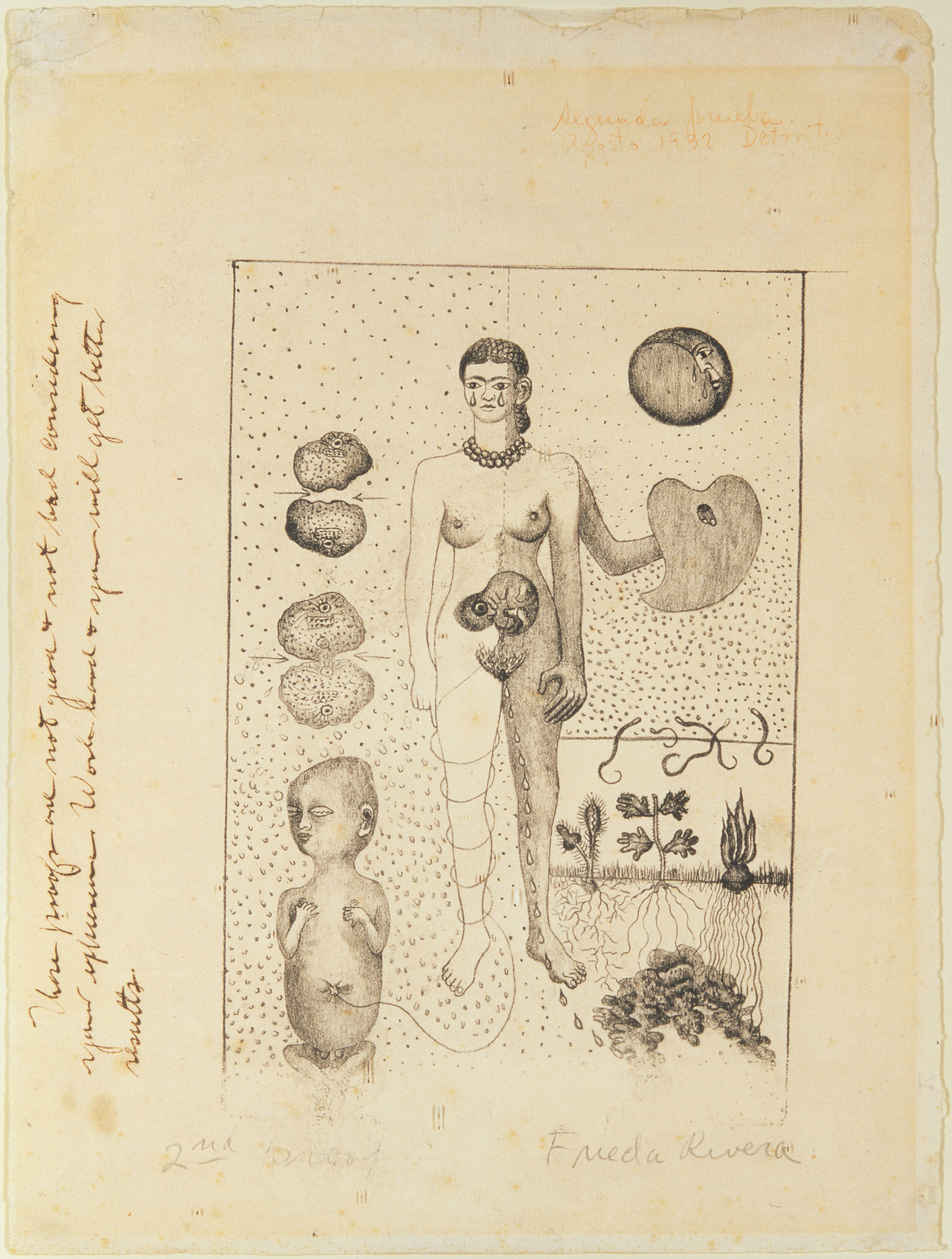
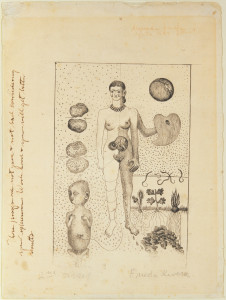 “A rose by any other name would smell as sweet,” but artists have the right to name their artworks as they choose. Moral rights provide artists with the rights of attribution and integrity, protecting their ability to label their works as they see fit. These rights are protected in the United States by the Visual Artists’ Rights Act (VARA). Lisa John Rogers interviewed me about artists’ rights and she offers a glimpse into this area of art law with an analysis applied to Frida Kahlo. Read the article here.
by Amineddoleh & Associates LLC | Apr 22, 2015 |
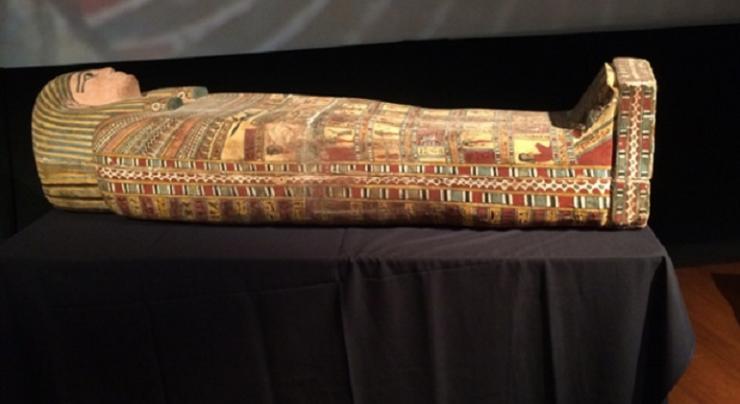
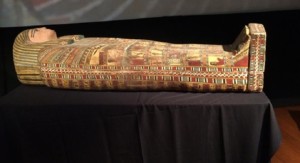 I am happy to be featured in Kathleen Caulderwood’s excellent article, “U.S. Returns $2.5M in Egyptian Antiquities As Experts Call for Tougher Punishment on Smugglers.” The article emphasizes the importance of not purchasing illicit objects and examines some of the channels that prevent looted antiquities from being smuggled into the US.
by Amineddoleh & Associates LLC | Apr 20, 2015 |
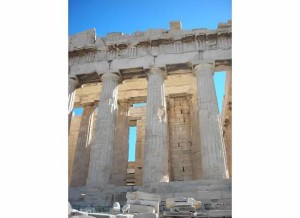 Partner Leila Amineddoleh was quoted in Hyperallergic about her thoughts on the Parthenon Marbles. Read the article here. When asked her opinion about the British Museum’s argument in support of retaining the Marbles, this was Leila’s full response:
Like museums established by many colonial powers, the British Museum uses the patronizing argument that it deserves to retain significant pieces of cultural heritage because it rescued them and the museum is in the best position to preserve them. The British Museum has repeated this claim through the decades to justify the possession of the Parthenon Marbles. But this is outdated for many reasons. First, the argument is nonsensical because it is disputed whether Lord Elgin actually saved the marbles. While it is true that the Parthenon suffered damage over the centuries, Lord Elgin was not an innocent party. Although he may have been given permission to remove objects not affixed to the Parthenon itself (this too is in dispute), there is evidence suggesting that Lord Elgin and his crew damaged the structure by hacking off marbles from the temple. Some argue that Elgin was one of history’s major desecrators of the Parthenon. Second, even after the marbles were placed in the British Museum, they suffered damage. As per the practice of the time, the marbles were bleached, removing important remnants from the marbles, including traces of color. Third, besides being insulting, the argument is completely irrelevant today since the New Acropolis Museum was built in 2008 with state-of-the art facilities. Fourth, there is no guarantee that London is a safer location for the marbles. During the past century, major world cities including London, Berlin, Munich, and even NYC have been targeted due to war and terrorism. It is naïve to believe that London is safer than Greece. And finally, a museum is not entitled to possess another people’s cultural heritage simply because a representative of their nation had the means to plunder objects during a vulnerable time. The marbles deserve to be in Greece, near the Acropolis, and the Greek people deserve to have the symbol of their heritage returned to them.
In regards to legal issues, the biggest hurdle for Greece to overcome is statutes of limitations which may lead a court to dismiss a lawsuit brought by Greece without an evaluation of its merits. Statutes of limitation are in place to prevent stale claims from being litigated, particularly after the destruction of evidence. As the removal of the Parthenon Marbles took place over two centuries ago, there are no living witnesses in this case to testify to the disputed chain of events and there has been a loss of valuable evidence (such as the document purportedly providing Lord Elgin with permission to remove marbles). A court will likely dismiss the matter. In my opinion, Greece’s greatest ammunition is to prohibit any cultural heritage loans to England until the British Museum agrees to participate in UNESCO mediation to determine an equitable solution to this centuries-old debate.
by Amineddoleh & Associates LLC | Apr 10, 2015 |
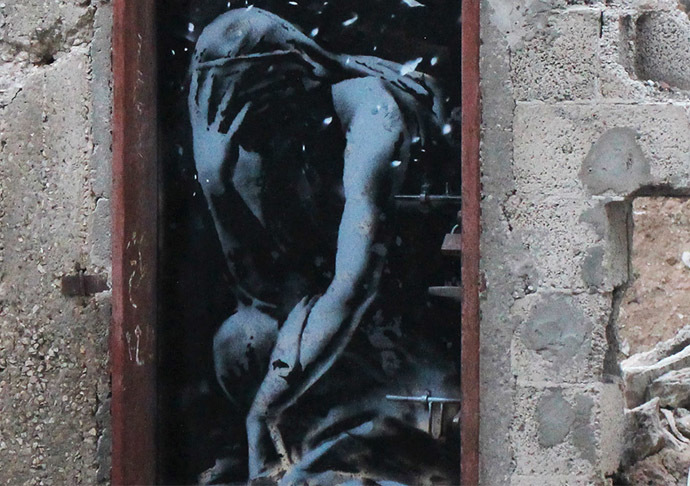
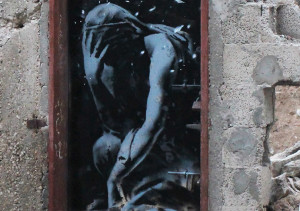 As further evidence of the escalating value of graffiti art, police in Gaza seized a work by Banksy after it was removed from the rubble of a landowner’s home. According to the landowner, a group of men convinced him that they were acting on behalf of Banksy, wanting to buy the door from the home’s rubble as it was part of a series by the well-known graffiti artist. In truth, Banksy had no affiliation with the group and the rightful owner is now seeking to have the work returned.
The landowner received $175 for the door, although Banksy’s works sell for hundreds of thousands of dollars. Although various jurisdictions in the US and abroad have penal codes criminalizing the placement of graffiti on public spaces and on private space when no consent is granted, Banksy has never been charged with vandalism. In fact, most landowners presumably would relish having a Banksy on his property as the art world views Banksy’s creations as high-value art.
In February of this year, Banksy released a series of new works in Gaza, all commenting on the dire situation of the 1.8 million Palestinian residents confined to the area. His website states, “Gaza is often described as ‘the world’s largest open air prison’ because no-one is allowed to enter or leave. But that seems a bit unfair to prisons — they don’t have their electricity and drinking water cut off randomly almost every day.”
To hear more about Banksy and graffiti art, listen to Leila Amineddoleh’s radio interview from November 2013: http://www.wfuv.org/news/fordham-conversations/141209/fordham-conversations-graffiti-art

 We are pleased to share this article and press release from Art Recovery International (ARI). ARI discovered the sale of a disputed painting, Madonna and Child, at Sotheby’s, notified law enforcement agencies, and the work was removed from the sale after the US District Attorney seized the work. Leila Amineddoleh was contacted by ARI to handle the asset forfeiture litigation while ARI worked to discover factual evidence about the art theft that occurred over 25 years ago.