by Amineddoleh & Associates LLC | Jun 12, 2023 |
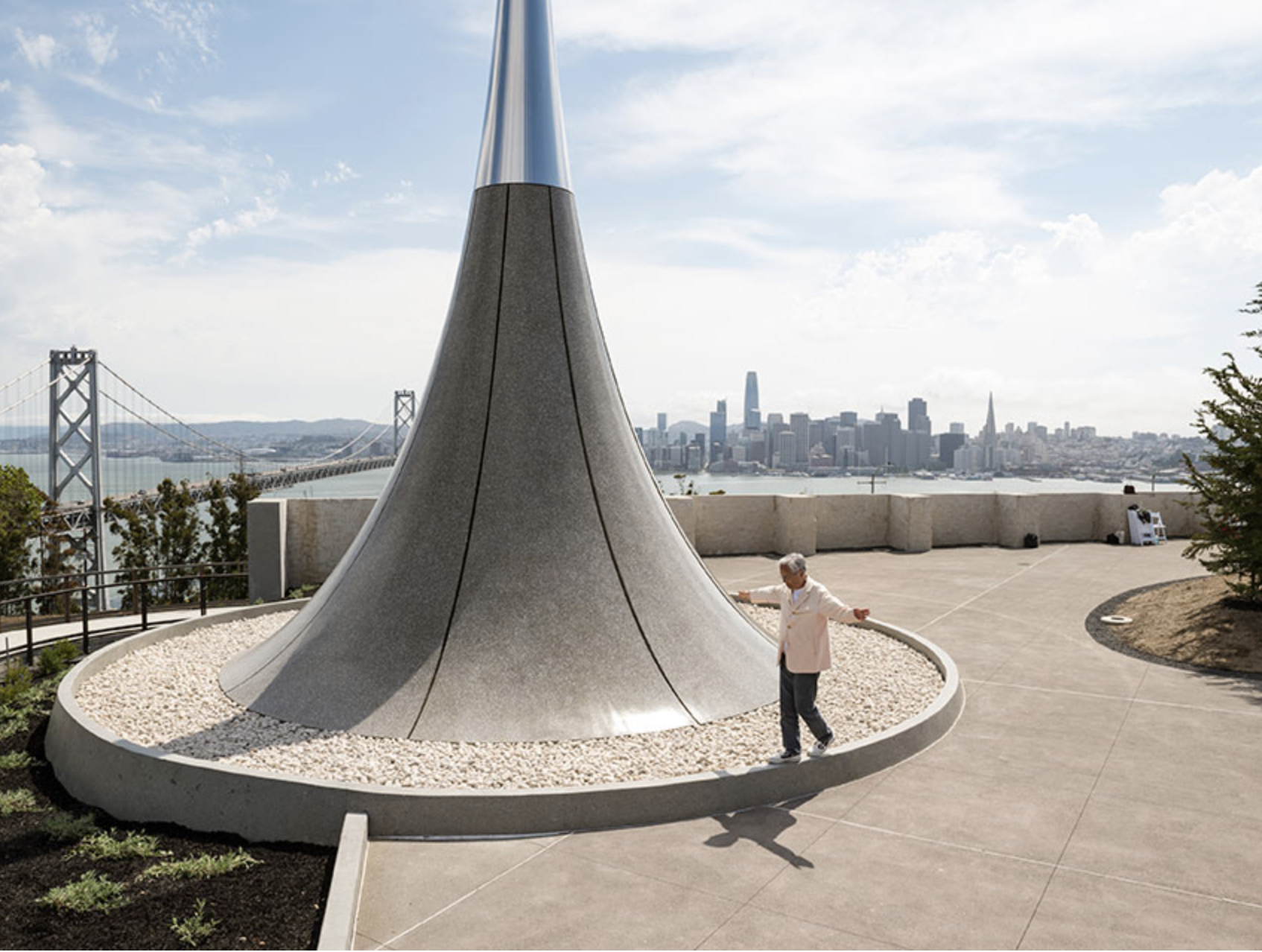
Our client, Japanese artist Hiroshi Sugimoto, with his work “Point of Infinity” in San Francisco. Image via Jessica Chou/The New York Times.
Our firm is proud to announce the public art unveiling of the newest sculpture installation from our esteemed client Hiroshi Sugimoto. Entitled Point of Infinity, Sugimoto’s breathtaking sculpture stands as contemplative sentinel over the San Francisco Bay. The stunning work – intended to draw the eye upwards to an indefinite point – is 69-feet of stainless steel construction. Its very physicality relies on Sugimoto’s precise artistic eye and meticulous engineering skills. The sculpture is 23-feet at its base, yet less than one inch across at its top. To construct such a gravify-defying sculpture, while still maintaining the optical illusion that the two points will (eventually, even if only in the viewer’s minds’ eye) meet, reveals the genius of Sugimoto as an artistic force. It is truly an honor to work with him and represent his work.
Sugimoto began this project in 2017, and our firm has been at his side to protect his artistic and intellectual property in the work. Sugimoto won an open call for artists in order to produce the piece. The Treasure Island Art Program selected his work from an astonishing pool of 495 talented artists.
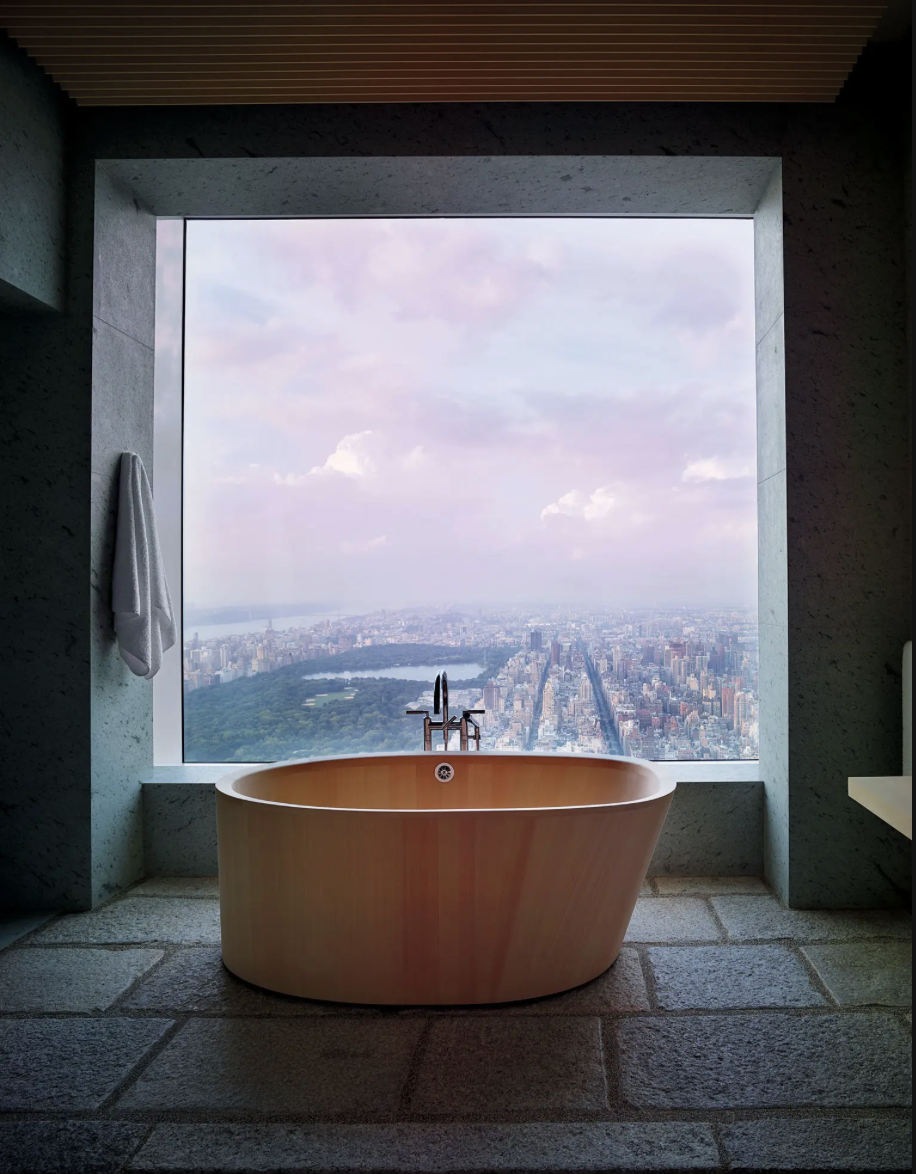
Manhattan Apartment designed by Hiroshi Sugimoto. Image via Anthony Cotsifas/New York Times.
Our firm is thrilled to call attention to the incredible work and expansive lexicon of Sugimoto. His success across multiple mediums speaks to his innate talent, pure vision, and clear artistic voice. Sugimoto is continually producing new, fresh work and drawing upon past experiences to refine and hone his talent.
In 2019, Sugimoto was featured in The New York Times for designing one of T’s Best Interiors of 2019. The ethereal space included a bathroom that is notably devoid of boxes or clutter of any kind. The cedar ceiling abuts Towada stone walls. Drawing from his heritage, Sugimoto even incorporated salved stones from a now-defunct Kyoto tram station to lay under the cypress tub.
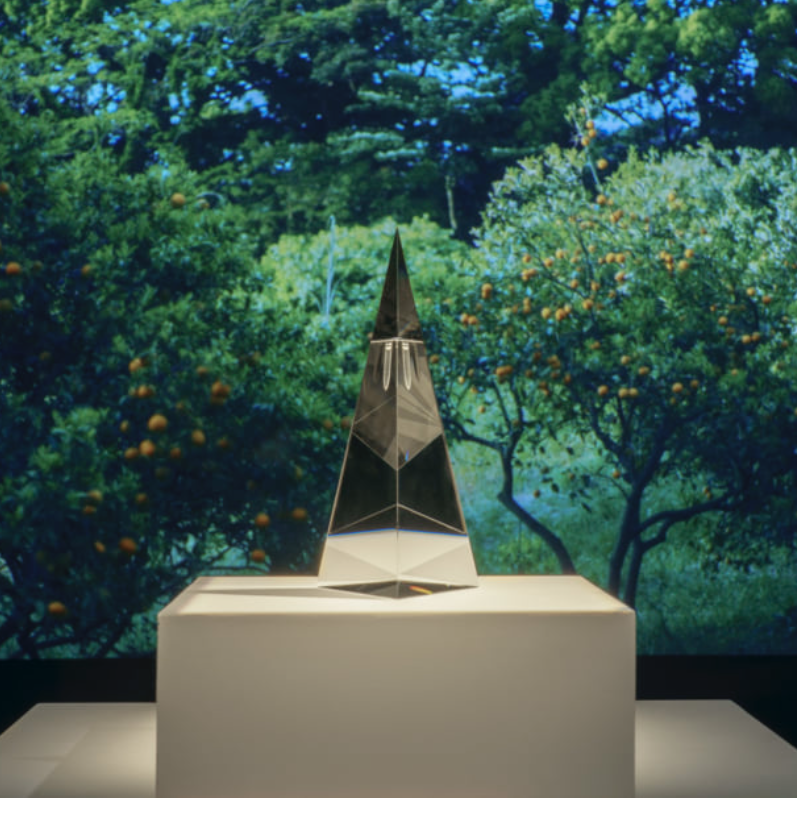
Our client Hiroshi Sugimoto’s collaboration with luxury fragrance house Diptyque, entitled Fragrance of Infinity. Imaga via Diptyque.
In 2021, Sugimoto joined a host of other prominent artists to participate in French cosmetics brand Diptyqe’s limited edition perfume bottles to celebrate the fragrance house’s 60th anniversary. The finished product was inspired by Sugimoto’s childhood memories of seeing the ocean for the first time. Drawing inspiration from the Japanese province of Kankitsuzan, the completed piece evokes an exploration between man and nature. Read more about the collection here.
Moving into 2022, Sugimoto continued to leap across mediums and grow as one of strongest artistic voices of the modern age. In 2022, Sugimoto broke ground on another major installation – a highly-anticipated sculpture garden gracing the Smithsonian Institution. Prominent artists Jeff Koons and Laurie Anderson were in attendance for the ceremony, as was none other than First Lady Jill Biden. The presence of these esteemed guests should come as no surprise. Sugimoto is a superbly talented artist, photographer, architect, and visionary. It is a true honor and privilege to call him a long-time client and for Amineddoleh & Associates to have represented his legal needs for so many valuable art projects, including the above-referenced works.
by Amineddoleh & Associates LLC | Feb 14, 2023 |
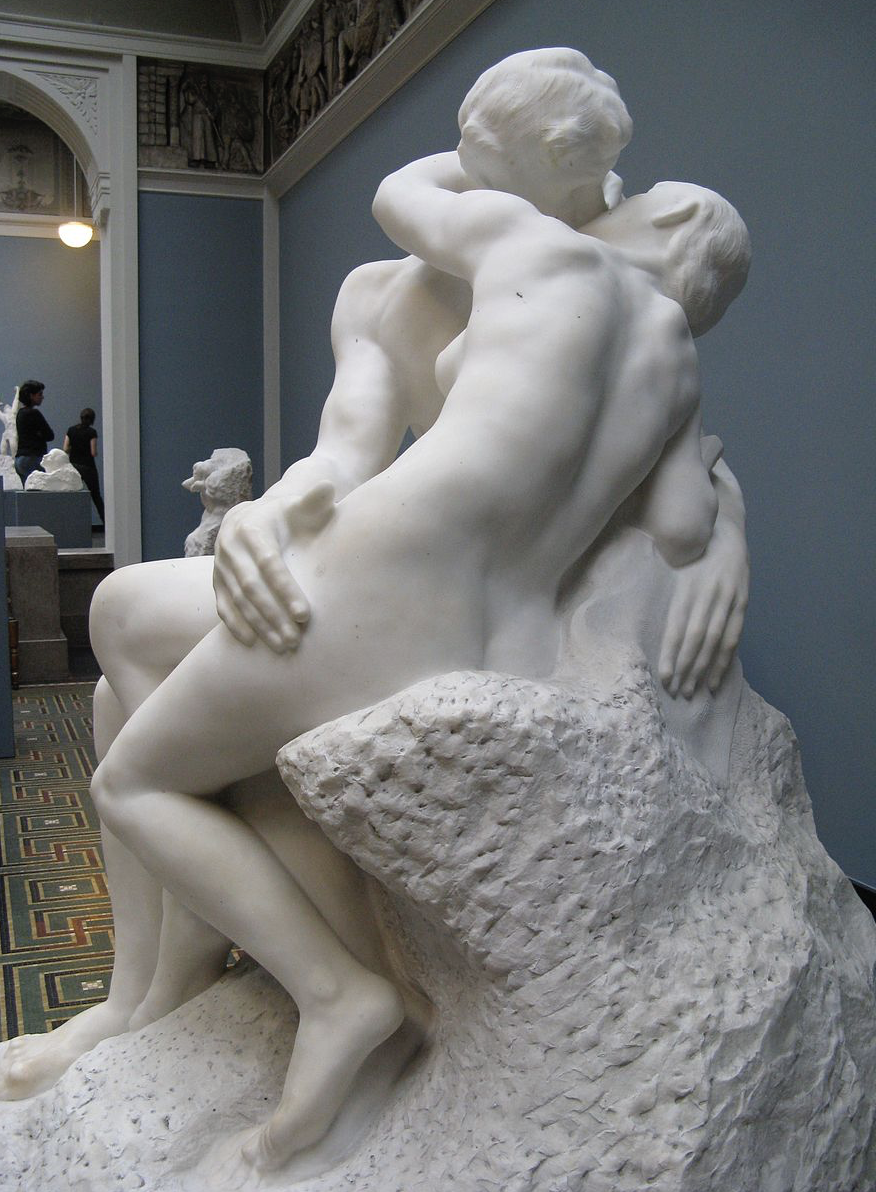
Auguste Rodin, The Kiss, Ny Carlsberg Glyptotek in Copenhagen. Image courtesy of Yair Haklai via Wikimedia Commons
It’s Valentine’s Day, and there is no better way to celebrate the holiday of romance than to highlight a famous sculpture depicting an illicit affair.
The work at the heart of today’s post is Rodin’s The Kiss. This sculpture, created with Rodin’s trademark precision and expressiveness, was inspired by Dante’s Inferno. It portrays two tragic lovers, Paolo and Francesca, locked in a passionate embrace. What makes their love so tragic is that it was doomed from the start: Paolo was Francesca’s academic tutor, and Francesca was engaged to Paolo’s brother. According to Dante’s epic, the pair’s tutoring session began routinely, but went a bit off book after Paolo began to read an Arthurian legend to Francesca. The conquests of King Arthur’s Court did it for the duo, and the physical reaction portrayed by Rodin’s statue was the saucy result.
This was a win for love, but a loss for morality. As a result, Paolo and Francesca were both damned to Hell, where the two suffered for their sins, but remained together even after death.
The Kiss is one of Rodin’s most beloved works, and it caused a stir following its production. This is likely because in 1881, the time of casting, The Real Housewives franchise was not on TV in France. Patrons looked to art for their fix of dramatic scandal and found it in The Kiss.
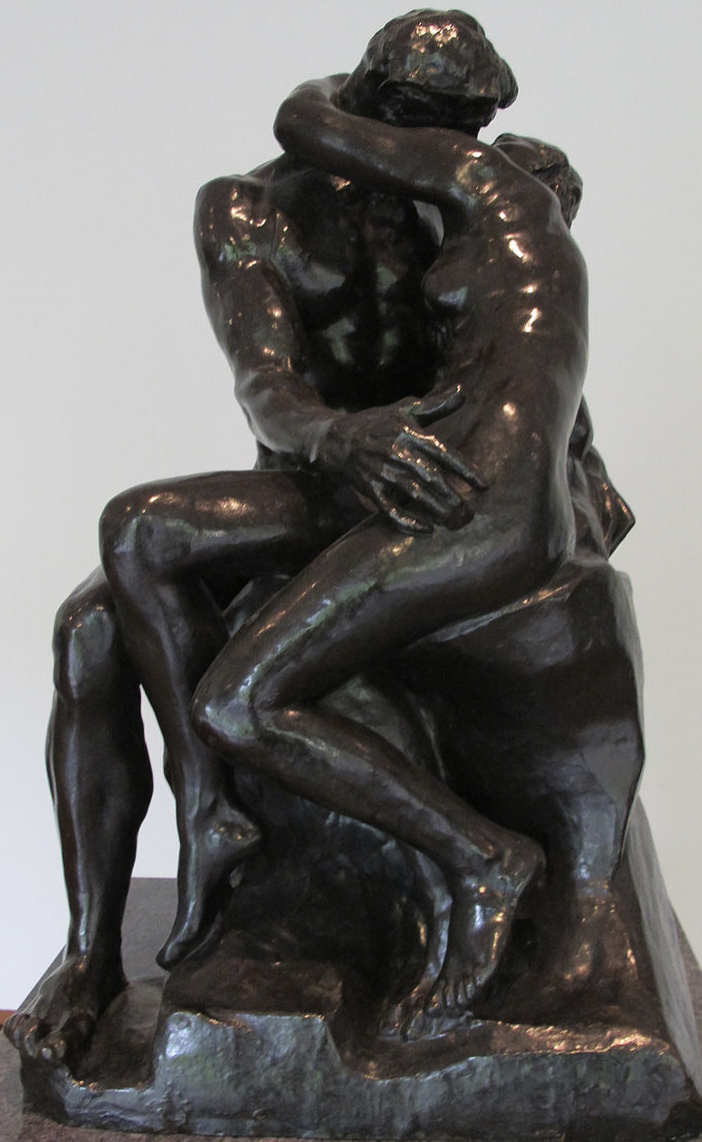
Auguste Rodin (French, 1840-1917): The Kiss, bronze, National Museum of Western Art, Tokyo, Japan, image courtesy of Sailko via Wikimedia Commons
The original sculpture of The Kiss, done in bronze, was created by Rodin as part of a commission by The Decorative Arts Museum in Paris. This museum was never established, but the commission itself ended up producing a fantastic group work by Rodin, including The Kiss. The group work, entitled The Gates of Hell, is a monumental sculpture of Rodin pieces. The Kiss was created as part of this work. However, it was later removed from the larger group and took on a life as a stand-alone piece.
Continuing to set the bar for “relationship goals,” Rodin outdid himself on another set of sculptural figures originating from The Gates of Hell. This next duo is entitled The Eternal Idol. The work shows a woman gazing down upon a man who kneels at her feet in devotion. The lovers made an impression on viewers at the time of creation. Famed poet and author Rainer Maria Rilke, who took cues from Rodin’s creative process in his own work, said of the piece that the work “[a]lways [has] the same enchanting strength. You dare not design a single meaning to it.”
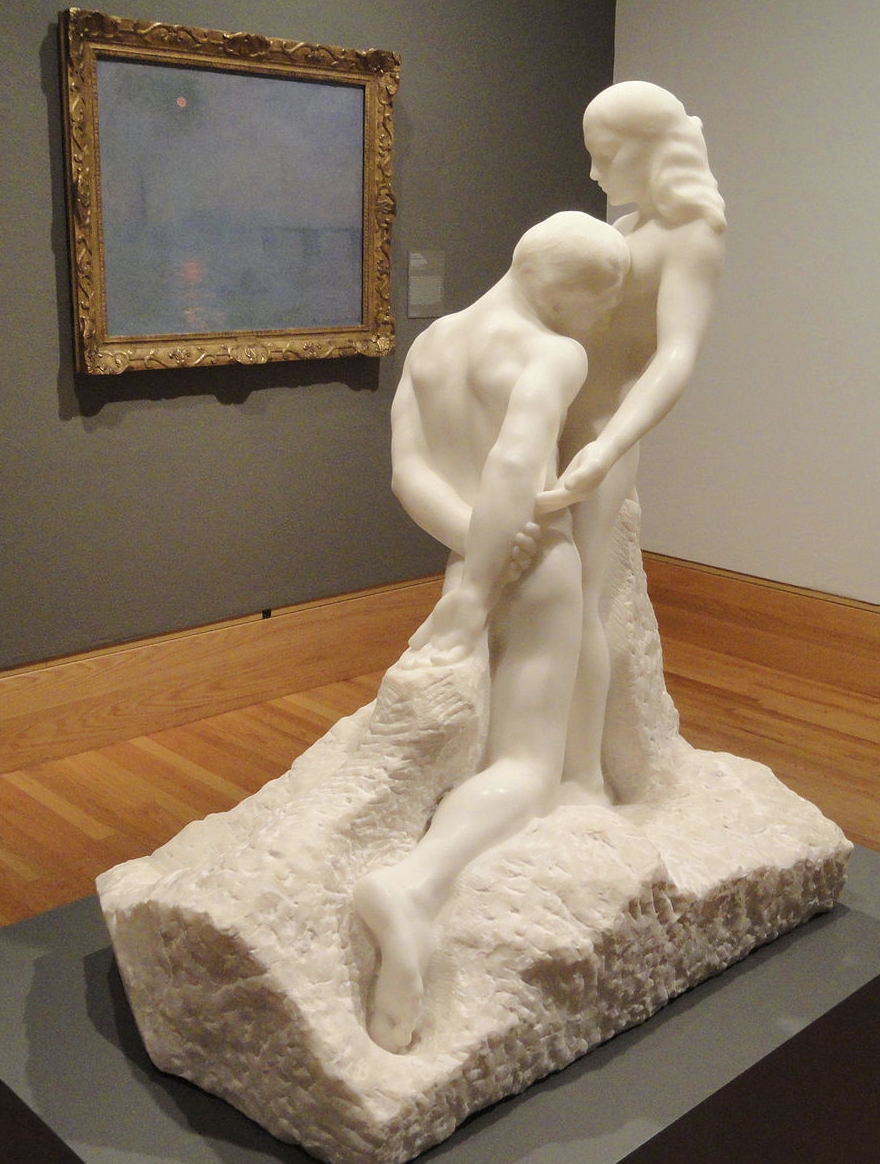
Eternal Idol, executed by Jean Escoula. Exhibit in the Fogg Art Museum, Harvard University, Cambridge, Massachusetts. Image courtesy of Daderot via Wikimedia Commons
While the meaning of the work remains mysterious, art historians have a few good guesses as to who in Rodin’s life inspired the passion portrayed in this work. It is no secret that Rodin often relied on his famous sculptor and colleague Camille as inspiration, model, and muse. The best evidence of the romantic entanglement between the two comes from Rodin’s surviving letters to Camille Claudel. Rodin puts Hallmark to shame in his elaborate prose, writing in 1844 to his muse:
“My very dearest down on both knees before your beautiful body which I embrace.”
Fans of Rodin may have seen a version of The Eternal Idol and The Kiss in real life. In fact, of The Kiss, four large marble versions are known to exist – the three largest being in the Tate Modern in London, The Ny Carlsberg Glyptotek in Copenhagen, and (of course) The Musèe Rodin in Paris. Smaller versions, most commonly cast in bronze, can be found across the globe, including a wonderful bronze casting of The Kiss in the Rodin Court at the North Carolina Museum of Art in Raleigh, NC.
Just how many casts of The Kiss are known to exist? The Barbedienne Foundry alone has produced 319 authentic versions. Of these, only the first twelve are permitted to be called “original editions” under the French law which permits the reproductions. The law in question is the product of a unique aspect of Rodin’s artistic legacy. In his will, Rodin gave French museums permission to cast reproductions of his works after his death. The casts were to be made using either Rodin’s original molds or new molds that were made from his originals.
On the one hand, this means that Rodin’s works are able to be enjoyed and experienced on a broader global scale. On the other hand, this legal twist that permits certain kinds of reproductions – at the exclusion of others – plus Rodin’s worldwide popularity, make Rodin’s sculptures rife for forgery.
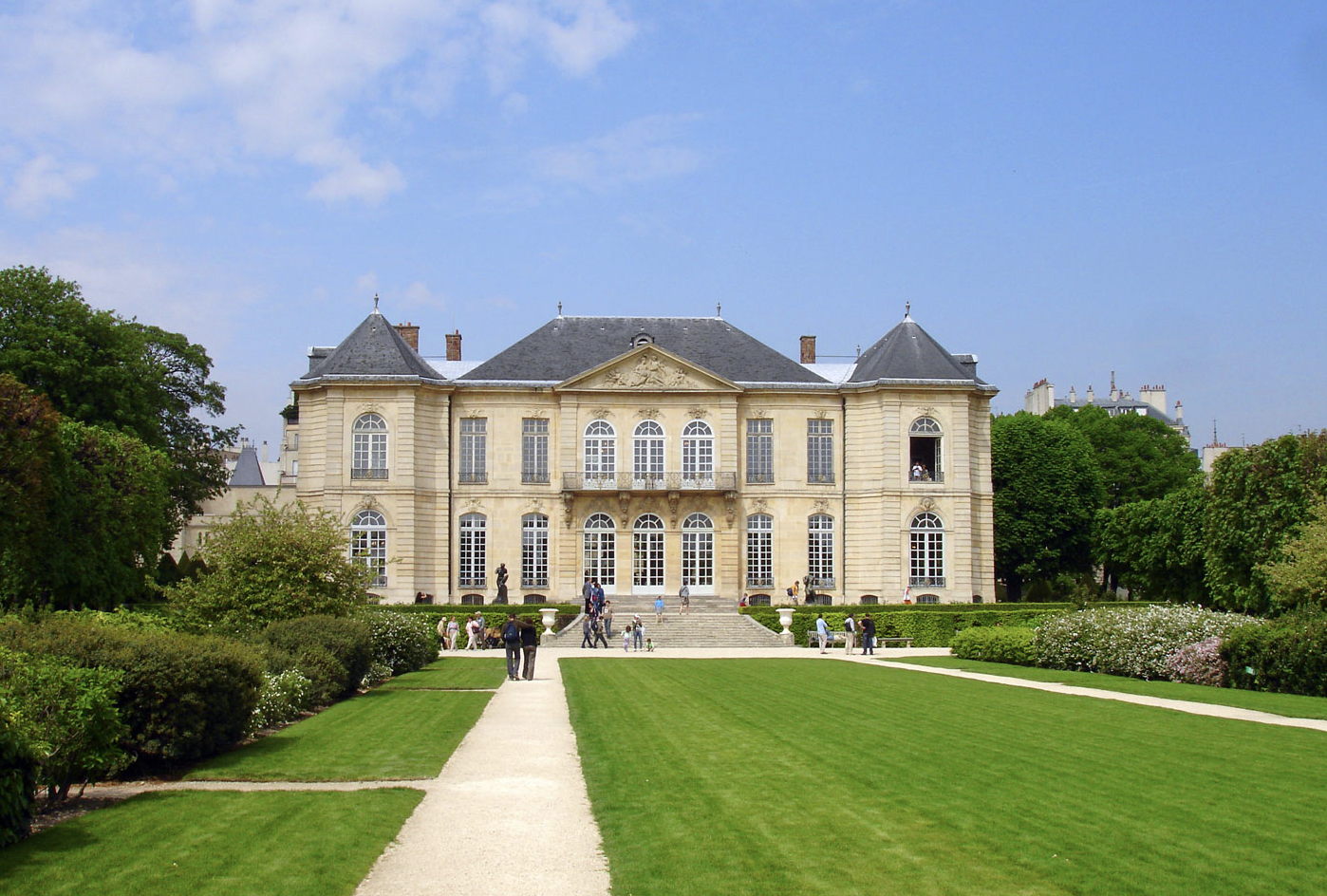
Musée Rodin, Paris. Image courtesy of Michael Scaduto via Wikimedia Commons
A famous example of Rodin copies coming under fire occurred in 2019, at the conclusion of a nearly two-decade legal controversy involving two art dealers, American Gary Snell and Frenchman Robert Crouzet. According to the court documents, Snell had cast upwards of 1,700 Rodin sculptures – a remarkable amount for one dealer. To make each sculpture, Snell used one of the sixteen molds illegally passed along to him by Crouzet. The alleged total sale price of the sculptures the pair sold amounted to over $72 million.
Snell and Crouzet might have been able to avoid prosecution for their reproductions, had they complied with the French law. For example, if Snell had made it clear to buyers that the reproductions were – in fact – reproductions, and not authentic Rodins, both Snell and Crouzet may have avoided liability. But because Snell failed to make it clear to buyers that they were buying reproductions, and not official copies, he and Crouzet both faced sentencing by the French State.
Several factors exacerbated the duo’s complicity, including the fact that some works included a forged Rodin signature. Many copies also included forged authentication documents from the official French foundry, the Founderie Rudier. Moreover, several of Snell’s copies departed from Rodin’s exact molds, creating sculptures that were slightly distorted. Snell was not a sympathetic plaintiff. He complained that if he had made it clear to buyers that he was selling unofficial reproductions, he likely would not have been able to charge as much per statue. Not to be outdone, his lawyer blurted out to the court that this lawsuit had “totally ruined” his client’s livelihood as an art dealer.
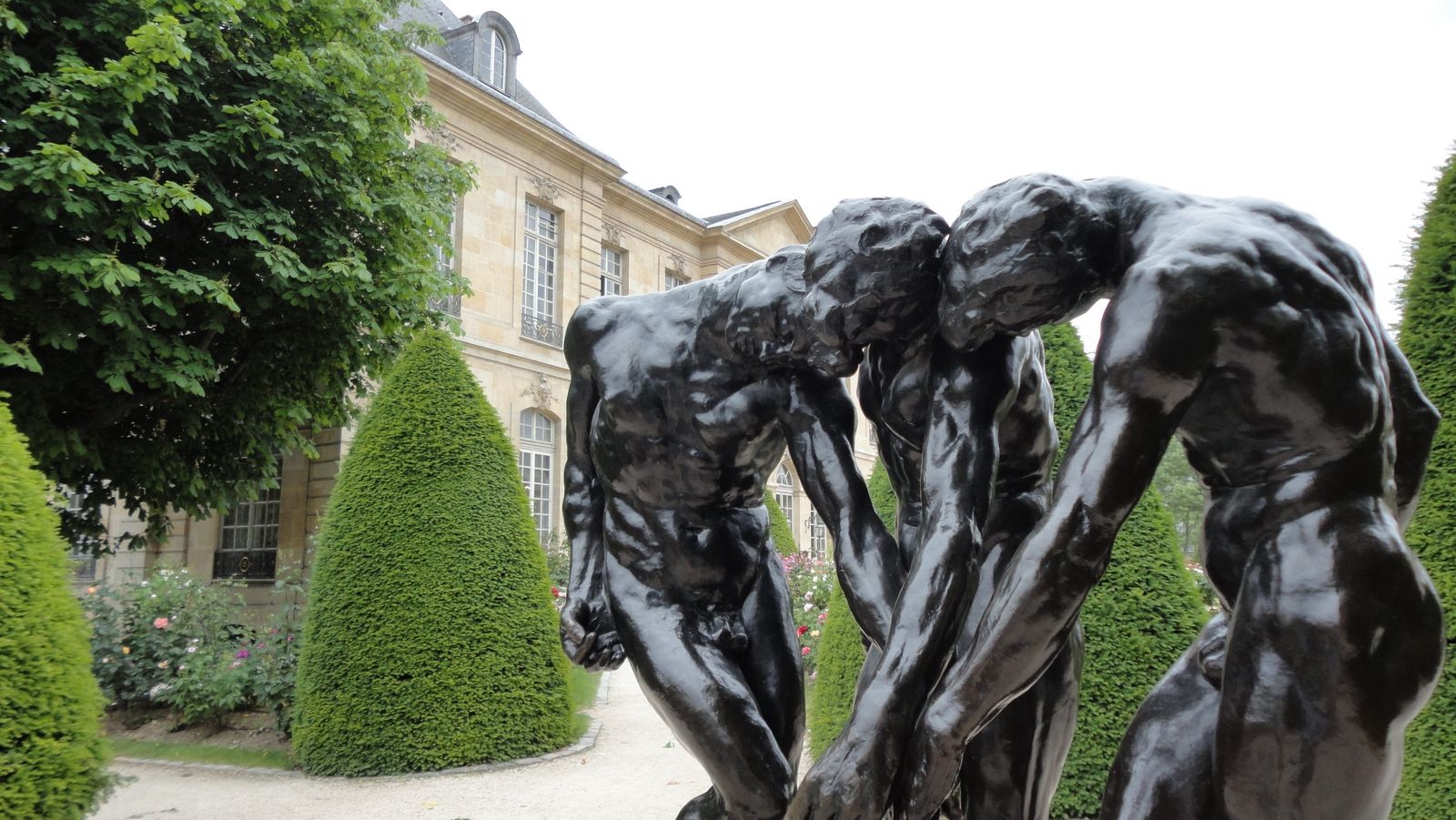
Rodin Museum, Paris
Copyright: Leila A. Amineddoleh
Such protestations did not result in a lot of love for Snell, Crouzet, or their attorneys. What is there to be said? The French State loves Rodin and will stop at nothing to protect and ensure the authenticity of the artist’s rich legacy. This level of devotion deserves a French kiss. However, in order to avoid a repeat of Dante’s ill-fated lovers, aim to make it Hershey’s.
by Amineddoleh & Associates LLC | Nov 22, 2022 |
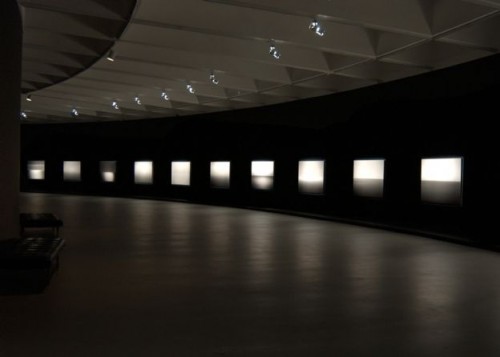
2006 Exhibition of Sugimoto’s work at the Hirshhorn Museum (Copyright: Hirshhorn Museum)
Congratulations to our client, Hiroshi Sugimoto. Last week, the Smithsonian Institution broke ground on its new sculpture garden designed by Sugimoto. In attendance was First Lady Jill Biden, in addition to prominent artists, including Jeff Koons and Laurie Anderson. Our client’s project for the Smithsonian is a massive undertaking, revitalizing the Hirshhorn Museum’s Sculpture Garden. The project is anticipated to take at least two years to complete. We had the honor of serving as legal counsel to Sugimoto on this project. We previously served as his legal counsel for the installation of his lobby design at the Hirshhorn Museum, in addition to other notable projects undertaken by the superbly talented artist, photographer, and architect.
We are privileged to have the opportunity to work with talented artists, like Hiroshi Sugimoto, to protect their intellectual property rights and further their artistic visions.
