by Amineddoleh & Associates LLC | Nov 30, 2015 |
Leila A. Amineddoleh will be joining other notable art lawyers tomorrow evening to participate in an art law symposium at Cardozo Law School. The panel will focus on street art, the protection of graffiti art, and the current state of the law. As street art is rapidly developing and gaining acceptance in the art community, this promises to be an interesting and timely event examining the nature of street art (when is it art and when is it vandalism?), the value of street art (in terms of both artistic and cultural value, in addition to “market value” with art collectors), its legality and associated penalties, and the protection of this art form.
For additional information about street art and subversive art, read these other posts from our blog: https://www.artandiplawfirm.com/escalating-value-graffiti-art/ and https://www.artandiplawfirm.com/video-subversive-art/
by Amineddoleh & Associates LLC | Nov 18, 2015 |
 As some readers many know from my lectures, articles, and advocacy work, I tend to fall more toward “nationalist” inclinations on the nationalist v. international spectrum.[1] For the most part, I favor countries retaining rights to their heritage through management of property with patrimony laws, active enforcement through judicial process, and effective policing. The idea that universal museums are in the best position to own, appreciate, and research heritage is an argument full of patronizing pride and Colonialist undertones. However, the horrific situation in the Middle East at the hands of ISIS has challenged many “nationalists” to reevaluate their perspectives.
In light of the destruction and violence in the Middle East, there is a role for Western museums to safeguard objects. Yesterday, President Francois Hollande announced a plan at UNESCO (UN’s cultural agency based in Paris) that France wants to establish a “refuge” for Middle Eastern antiquities to protect them from ISIS destruction. Hollande stated, “The right to asylum applies to people […] but asylum applies to works, world heritage.” The president noted that the program would provide a legal framework for safeguarding at-risk heritage, and that the French parliament would consider this program in the near future.
The museum community, through the Association of American Museum Directors (“AAMD”) (the group includes 242 members across the U.S., Canada, and Mexico) implemented internal guidelines related to safeguarding objects. In September, AAMD announced guidelines for museums accepting temporary possession of antiquities at risk from conflict, terrorism, or natural disasters. The “Protocols for Safe Havens for Works of Cultural Significance from Countries in Crisis” establishes a system for museums to provide safe havens until objects can be safely returned to their origin nations. While in the museums, the works will be treated as loans. The Protocols establish a system for the protection of works during the loan process, as it provides a framework for transport, storage, scholarly access, legal protections, exhibition, conservation, and the safe return of objects as soon as possible. To maintain transparency, AAMD member museums participating in this loan program must register works on AAMD’s publicly available online “Object Registry.” This shared knowledge will reasonably prevent museums from absconding objects and later laying claim to them.
Details about the French asylum program have not been made public yet, but I’m hopeful that it will be accompanied with guidelines similar to the AAMD’s. The antiquities asylum program should include very clear rules regarding ownership—nations and institutions providing safe havens are not entitled to ownership. The disastrous situation in the Middle East must not be used as a way for Western nations to lay claim to heritage.
[1] Although some claim that the “nationalist” and “internationalist” terms are outdated, I use them for the ease of use in a short blog post.
by Amineddoleh & Associates LLC | Oct 14, 2015 |
On the heels of the announcement that some of the lawsuits in the Knoedler Gallery’s forgery scandal will go forward, the art world is once again buzzing about authentication issues. In a market in which some experts estimate that half the inventory is fake, fear of forgeries looms large over the art world. Leila’s recent article on authentication briefly discusses the Knoedler Gallery, the history of forgeries, and legal solutions for art buyers. Thanks to the Clarion List for sharing this recent work. The timing is particularly apt for an analysis of art forgery due to this week’s exciting announcement about technology that may assist buyers in detecting forgeries prior to purchase. In a field in which scientific forensics plays a major role in authenticating art objects, news about “art DNA” is welcome, although some are skeptical of its accuracy and utility.
by Amineddoleh & Associates LLC | Sep 22, 2015 |
I contributed a guest post to Tang Art Advisory’s blog. Tang Art Advisory advises private and corporate collectors on buying, selling and manage their art assets. My brief contribution to the company’s blog notes the importance of legal considerations in the purchase of art. As artwork continues to rise as an asset class, it is essential that buyers protect their investments.
by Amineddoleh & Associates LLC | Sep 4, 2015 |
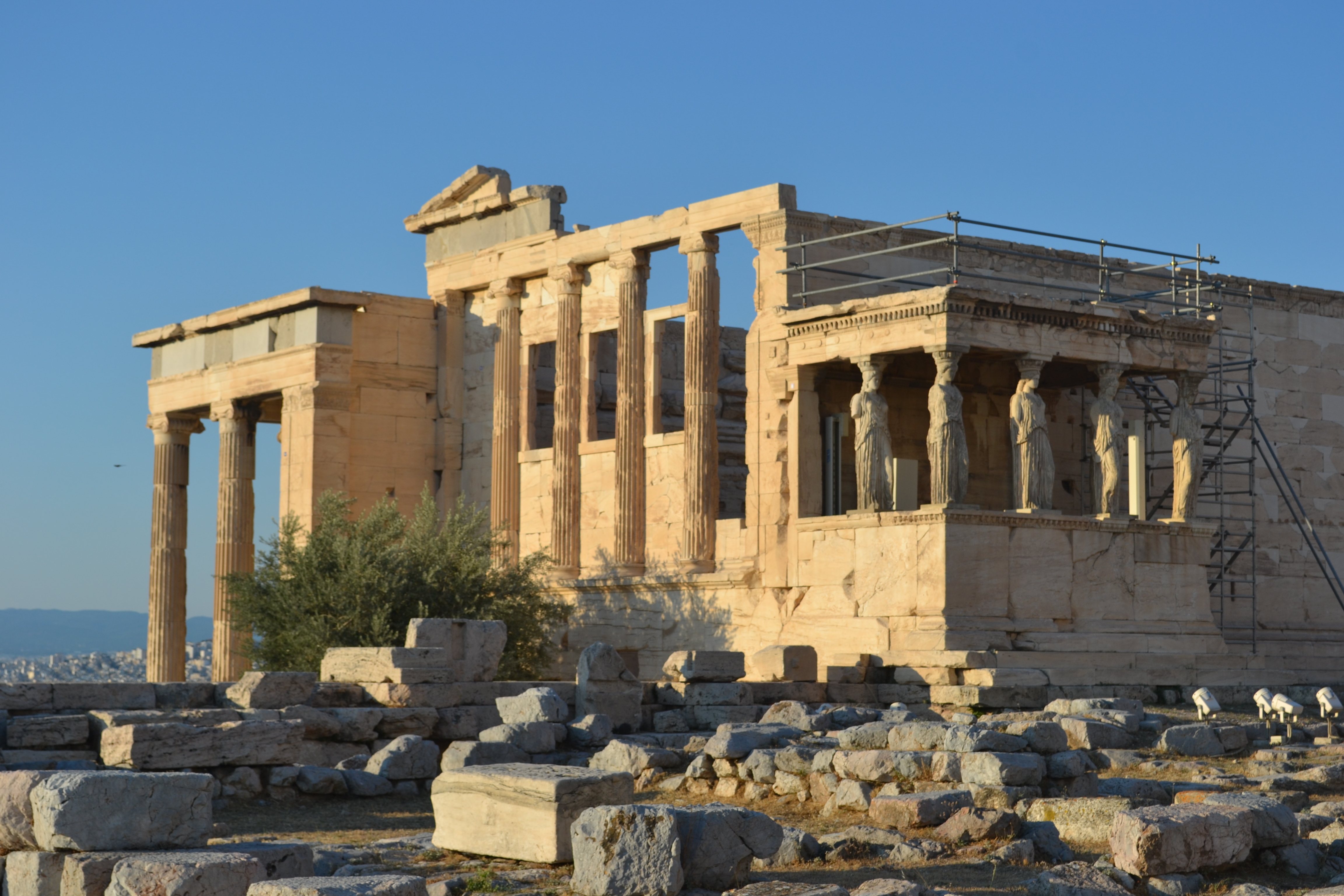
 Partner Leila Amineddoleh was proud to be part of the discussions in support of returning the Parthenon Marbles from the British Museum to their rightful home in Athens. She argues that ethical considerations require the restitution of the marbles. A colloquy discussing the return of the Parthenon Marbles to Athens took place in July at the Acropolis Museum. You can read the proceedings here.
Enjoy this inspiring weekend reading!